Opting for a wedding on a reservation is a deeply personal and culturally rich choice, offering a backdrop that is both stunningly beautiful and profoundly meaningful. A reservation wedding moves beyond the conventional venue, grounding a couple’s union in a landscape that holds ancestral significance, community spirit, and a deep connection to nature.
For couples with Indigenous heritage, it is a powerful way to honour their roots, celebrate their identity, and incorporate ancient traditions into one of life’s most significant rites of passage. For guests, it offers a unique and immersive experience, providing a window into a culture rich with symbolism and history.
This decision is about more than just a location; it is a statement of identity and a celebration of heritage, weaving together the personal love story of the couple with the much larger story of their people and their land.
Share a common thread of reverence for nature
A reservation wedding provides a unique opportunity to infuse the ceremony and celebration with specific tribal traditions. These customs vary widely between nations but share a common thread of reverence for nature, family, and spirituality.
The ceremony might include a blessing from a tribal elder, the burning of sacred medicines like sage or sweetgrass to cleanse the space and the couple's spirits, or the symbolic wrapping of a blanket around the couple to signify their new union and the community's embrace. Other traditions could involve the exchange of culturally significant gifts, such as handmade baskets or jewellery, or the inclusion of traditional drumming and singing.
These rituals add layers of meaning that a standard civil ceremony cannot replicate. By incorporating these elements, a couple honours their ancestors and ensures that their marriage begins on a foundation of cultural identity and spiritual significance, creating a powerful and unforgettable experience for everyone present.
Breath-taking natural scenery
One of the most compelling aspects of a reservation wedding is the breath-taking natural scenery. Reservations are often located in areas of incredible, untouched beauty, from vast desert landscapes and majestic mountain ranges to serene forests and pristine coastlines.
This natural splendour provides a magnificent, ready-made cathedral for your vows. A ceremony held at sunrise overlooking a canyon, or at sunset beside a sacred lake, possesses an inherent drama and beauty that no amount of man-made decoration can match. The connection to the land is a core tenet of many Indigenous cultures, and getting married within this environment reinforces the idea that the marriage itself is part of the natural order of the world.
This setting not only provides an awe-inspiring backdrop for the event but also creates a sense of peace and grounded-ness, reminding the couple and their guests of the enduring power and beauty of the earth.
Planning with a spirit of collaboration
Planning a reservation wedding requires a unique set of considerations rooted in respect for the community and its protocols
It is essential to engage with the tribal council or relevant authorities early in the process. There will be specific rules and permissions required to hold an event, especially if it involves non-tribal members or serving alcohol. It is crucial to approach this process not as a client booking a venue, but as a guest seeking to honour the community’s home. This may involve hiring local and Indigenous-owned businesses, from caterers who can prepare traditional foods to artisans who can create favours. Understanding and adhering to local customs is paramount.
For example, some areas may be sacred and off-limits to photography or large gatherings. Planning with a spirit of collaboration and deep respect will not only ensure a smoother process but will also make the celebration a more meaningful and welcome event for the entire community.
The emotional gravity of a sacred ritual
The unique cultural elements and stunning landscapes of a reservation wedding demand beautiful wedding photography to preserve their memory. These photographs do more than just document an event; they capture a legacy. They tell a story of heritage, love, and the continuation of culture.
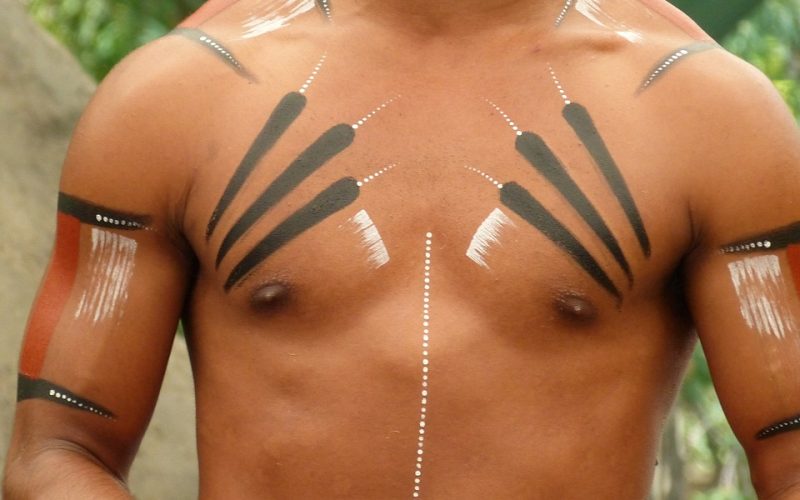
An experienced photographer will be able to document the intricate details of traditional regalia, the emotional gravity of a sacred ritual, and the epic scale of the natural environment. These images become invaluable family heirlooms, a visual record that can be passed down through generations to teach children about their history and the day their family was formally united.
The interplay of ancient traditions with the personal joy of the couple creates a rich visual tapestry. Investing in a photographer who can capture this with sensitivity and artistry is crucial to honouring the significance of the day.
The formal portraits of family groups with elders
When documenting an event so rich in specific cultural details, the style of photographer you choose makes a significant impact. A traditional wedding photographer is often an excellent choice for a reservation wedding because of their focus on detail, formality, and creating a clear record.
This style excels at capturing the intricacy of beadwork on a dress, the formal portraits of family groups with elders, and the key, structured moments of a ceremony. They understand the importance of documenting who was there and what they were wearing. A traditional approach ensures that the historical and cultural elements are preserved with clarity and reverence.
They can work with the couple and community leaders to create respectful and beautiful portraits that honour the gravitas of the occasion, resulting in a timeless, elegant album that serves as a formal document of a significant cultural and familial event.
Using the natural landscape and lighting
In contrast, a lifestyle wedding photographer brings a candid, story-driven approach that can beautifully capture the spirit and emotion of a reservation wedding.
Their goal is to document the event as it unfolds naturally, focusing on the authentic interactions and the atmosphere. A lifestyle photographer would be drawn to the laughter between cousins, the quiet moment a bride shares with her grandmother before the ceremony, or the joyous energy of a traditional dance. They excel at using the natural landscape and lighting to create evocative, atmospheric images that convey a sense of place and feeling.
For a reservation wedding, this style can capture the deep, intangible connection to the land and the vibrant spirit of the community. This approach is ideal for couples who want their photos to tell the emotional story of their day, creating a collection that feels alive, authentic, and deeply personal.